Goodwin Developments  ·  The Furnished Nest

The Property
Rental Playbook

The Flexible Rental Model for Building
Profitable, High-Performing Properties

13+ Years in Real Estate
12 Active Rentals
STR·MTR·LTR Rental Strategies
$30M+ Portfolio Value
Contents

What's Inside

Introduction

What This Playbook Is — And What It Isn't

This is not a guide about listing on Airbnb.

There are plenty of resources that walk you through taking photos, writing descriptions, and managing guest reviews. You don't need another one of those.

This playbook is about something more valuable: building rental properties that perform consistently and strategically — regardless of which platform you use, which season you're in, or what the market is doing.

Everything in these pages comes from real experience: operating properties across New York, Connecticut, and Manila's Bonifacio Global City. We operate where quality matters — high-value, high-demand markets where smart management, intentional design, and long-term thinking drive returns that generic strategies can't match. We include the wins and the hard lessons — because both are what make this framework credible.

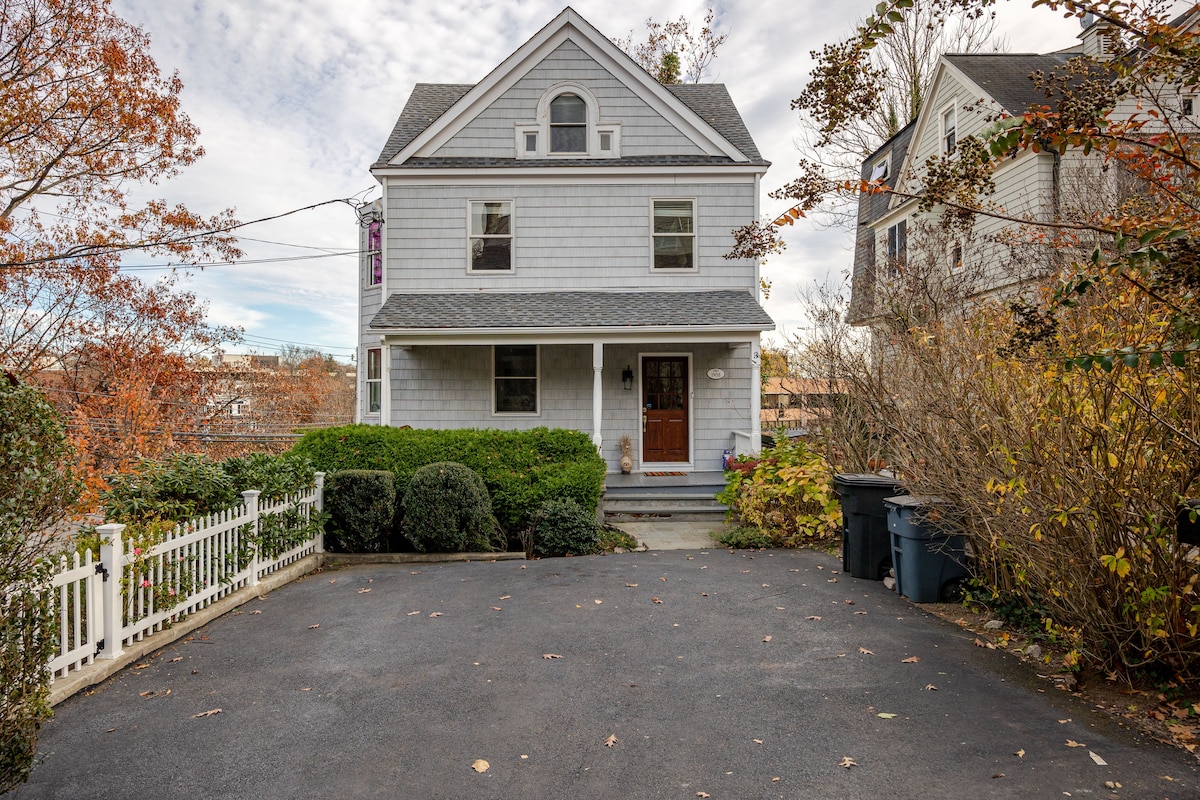
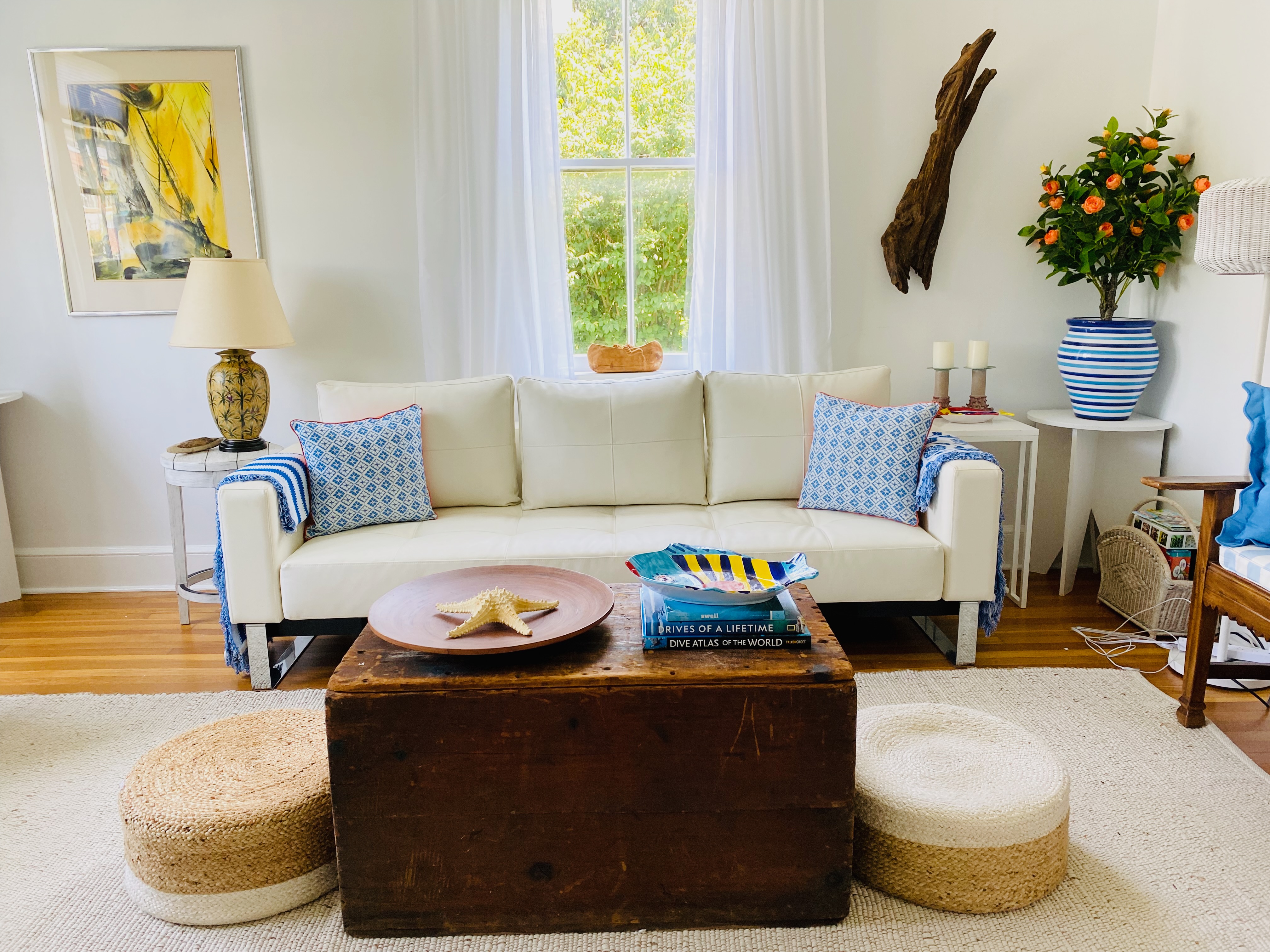
Goodwin Developments Greenwich Property
Greenwich, Connecticut · Goodwin Developments

What you'll find in this playbook:

  • A proven framework for flexible, resilient rental income
  • How to evaluate and select the right properties
  • Design, pricing, and operations strategy
  • The overlooked power of mid-term rentals
  • How to protect yourself with the right insurance
  • Real case studies from our own portfolio
  • An investment mindset built for the long game
01 Chapter One

How It Started

Every strong investment strategy begins with a real story.

We've been hosting since 2013 — long before short-term rentals became the mainstream investment category they are today. From the start, we've operated in premium residential and urban markets: Greenwich, Connecticut; New York City; and Manila's Bonifacio Global City, the most prestigious CBD in the Philippines.

It started with a single apartment in Manila, Philippines. At the time, it wasn't a calculated business decision. It was personal: we didn't want to give up the apartment, but we didn't want it sitting unused. Airbnb was relatively new in Asia, but it seemed worth trying.

So we listed it. It worked.

Over the years, that one apartment moved through every phase:

That apartment still operates today — over a decade later. That continuity gave us something most people entering this space simply don't have: perspective across time.

Over 13 years, we've navigated:

  • Low-competition markets watched them get saturated over time
  • Regulatory changes that reshaped entire cities overnight
  • Shifting guest expectations and platform dynamics
  • Economic cycles and a global pandemic that tested every model
  • Political environments that turned promising investments sideways

That perspective is the foundation of everything we teach and every property we manage today.

02 Chapter Two

When Hosting Became a Business

A single month changed everything.

For years, hosting was a side activity managed alongside regular life. That changed when we moved to the United States and purchased a home in Greenwich, Connecticut with an in-law apartment that had been rented long-term.

When that tenant moved out, we ran a simple experiment: test short-term rental and compare the result. The decision was straightforward — test it, and if it doesn't work, revert to long-term.

Within two weeks, we had our first booking. Then we asked a bigger question: What if we listed the home we were actually living in?

Long-Term Rental
$7,500
per month — predictable but capped
Short-Term Rental
$15,000
one month — same property

That result wasn't luck. It was positioning. The property was in the right location, set up correctly, priced strategically, and managed with attention. It made one thing clear: the model matters more than the property.

03 Chapter Three

Why One Strategy Is Never Enough

The investors who get hurt are the ones who bet everything on a single approach.

Most people treat rental properties as a binary choice: short-term or long-term. That framing creates unnecessary risk. Markets don't stay the same. Demand shifts. Regulations change. Competition increases.

We've watched this happen to experienced investors who:

"There is no single 'best' rental strategy. There is only the strategy that fits the property, the market, and the moment. Flexibility is not a fallback — it is the strategy."

04 Chapter Four

The Flexible Rental Model

Every property should have more than one way to perform.

A property that can only work one way is a property that can only fail one way. Instead of committing to a single approach, we design every property to operate across three modes — shifting between them based on the market, the season, and the opportunity.

Short-Term
1–30 nights
Highest nightly rate
Active management
Seasonal variability
Platform-dependent
Mid-Term
1–6 months
Stable income stream
Fewer turnovers
Lower operational load
Fills vacancy gaps
Long-Term
12+ months
Maximum consistency
Minimal involvement
Tenant covers utilities
Lower revenue ceiling

The advantage is not choosing one. It's being able to move between them intelligently — based on market demand, local regulations, seasonality, and your capacity as an owner. This is what creates resilience.

05 Chapter Five

How We Choose Properties: The 3L Framework

Not every property should be a rental. One of the most expensive mistakes is forcing the wrong property into a model it can't support.
L1
Location
Not just "is this a good area?" — but "why would someone specifically choose to stay here?" Strong locations attract business travelers, relocating families, and professionals in transition — not just tourists.
L2
Longevity
Would you still want this property if short-term rentals were banned tomorrow? It must appreciate over time, work as a long-term rental, and stand on its own investment fundamentals.
L3
Liveability
Guests aren't checking into a hotel room — they're living in a home. Practical layout, genuine comfort, and logical flow are essential. This matters even more for mid-term stays of 30–90 days.

Our Markets

Greenwich, CT
3 Rentals · Luxury

Premium short, mid, and long-term rentals. Corporate demand, proximity to NYC, and a limited supply of quality listings creates strong pricing power.

New York City
3 Rentals · Urban

Modern NYC rentals in prime locations. Year-round demand from business travelers, relocations, and city visitors.

Port Chester, NY
1 Rental · Urban Retreat

Comfortable short, mid, and long-term rental serving the greater New York metro area.

Manila, Philippines
International · 3 Rentals

Over a decade of hosting experience in Southeast Asia, with deep knowledge of international rental dynamics.

06 Chapter Six

Design for Context, Not Trends

Great rental design isn't about what looks good in a photo. It's about what feels right when you open the door — and what makes a guest want to come back.

We design the opposite of a hotel room. Hotels optimize for uniformity — every surface the same, every choice made to offend no one, every room interchangeable. We optimize for the feeling of coming home to somewhere that was made for you.

A vintage find on the shelf. A piece of local art on the wall. Coffee table books that tell you something about where you are. These are the details guests photograph, share, and talk about in their reviews — and they cost far less than a renovation. The right aesthetic isn't about budget. It's about intention.

"We design the opposite of a hotel room. Warmth. Function. Flow. The feeling that someone actually thought about how you'd live here."

The right approach is alignment — a property should feel like it belongs to its neighborhood, its architecture, and the lifestyle of the guest who chose it.

Three properties. Three distinct aesthetics. One philosophy:

  • Greenwich Colonial — rooted and gracious. Warm wood tones, classic lines, and a sense of permanence that reflects New England character. Near the water, with that quiet coastal ease that makes you slow down.
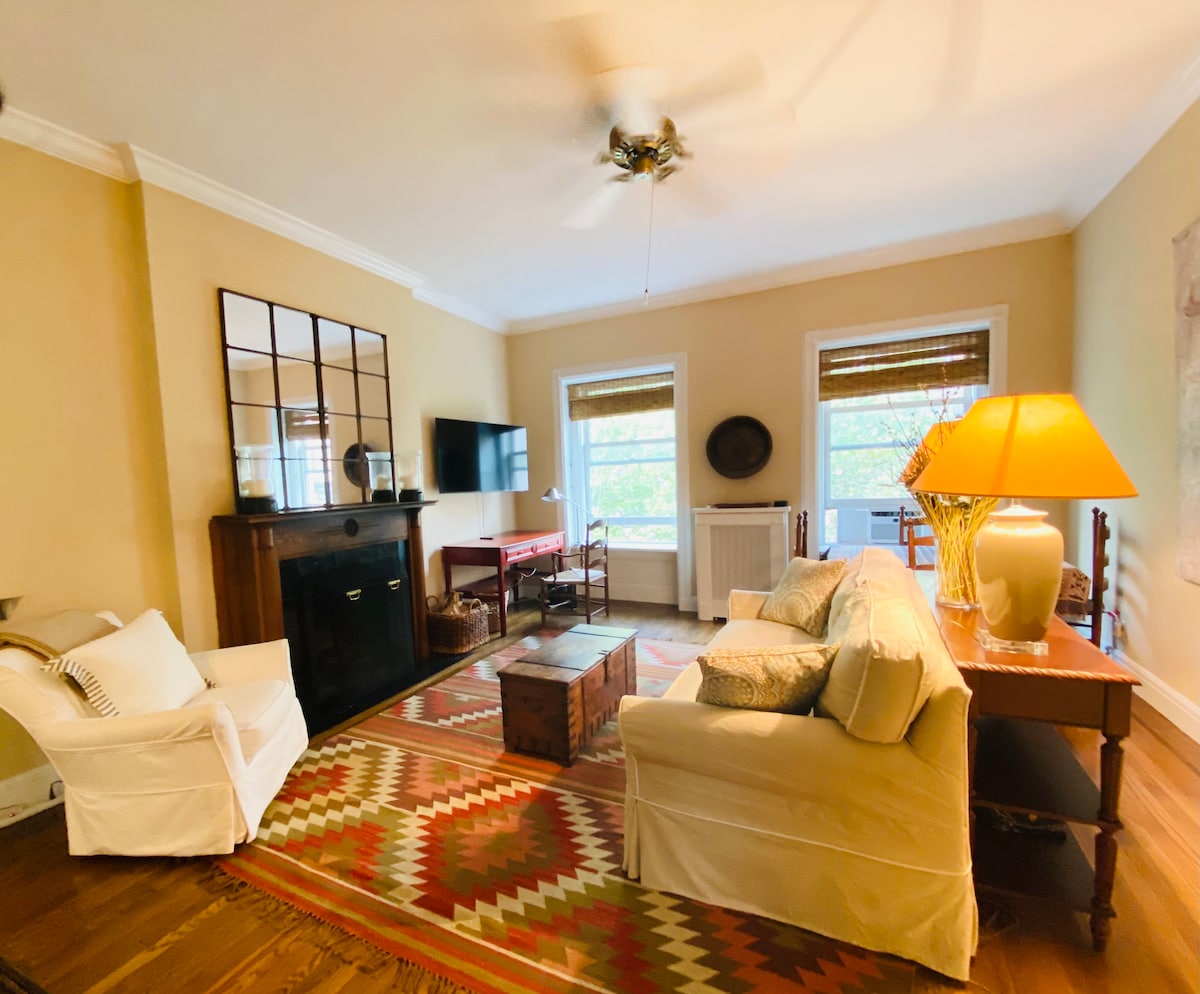
  • NYC Pre-War Brownstone — a warm retreat from the city. Cozy, old-world charm on a quiet tree-lined block. Busy outside, come home to something that feels like it's been waiting for you.
  • Manila BGC Condo — sophisticated and culturally grounded. Modern Filipiniana: contemporary design rooted in Filipino heritage, reflecting the energy and prestige of the country's premier CBD.

Different markets. Different aesthetics. The same three pillars underneath every one.

The Three Design Pillars

Design is not decoration. It is a performance tool. The properties that earn the most per night are rarely the most expensive to furnish — they're the most thoughtfully considered. Great design doesn't require an unlimited budget. It requires knowing your market, understanding your guest, and making intentional choices. The aesthetic is the goal. The budget is just a variable.

07 Chapter Seven

Pricing, Seasonality, and the Limits of Data

Your price doesn't just determine revenue. It determines who you attract, how your property is perceived, and whether you compound success over time.

Dynamic pricing tools can be useful — but they rely on historical data from comparable listings. In markets like Greenwich, where high-quality inventory is limited, that data is often thin, skewed, or misleading.

When we first used dynamic pricing in Greenwich, our rates were being pulled consistently lower — not because demand was weak, but because the algorithm was comparing our property to listings that simply weren't comparable. A different house, further from the station, with less space and fewer amenities, was treated as an equivalent data point. It wasn't.

What algorithms can't measure:

  • Proximity to transit, top-rated schools, or corporate hubs
  • The quality gap between a well-designed home and an average listing
  • Being in a market with very few true comparables
  • The value of reputation, review history, and repeat guest behavior

Seasonality in Our Markets

In Connecticut and New York, Q1 is consistently the slowest period. Q2 through Q4 is where performance concentrates. Understanding that rhythm lets you forecast accurately, price aggressively in peak windows, and strategically fill Q1 gaps with mid-term rentals rather than discounting short-term rates.

Our Pricing Approach

01
Experience
We know what properties in our markets actually command — not what an algorithm thinks they should.
02
Seasonal Intelligence
We track demand patterns, local events, and corporate travel cycles across each market.
03
Selective Tools
We use dynamic pricing as a reference, not a directive — particularly for last-minute gap filling.
04
Premium Positioning
In markets where we lead rather than follow, we price high in advance and adjust strategically closer to booking dates.

The goal is not maximum occupancy. A property booked 100% of the time at average rates will often underperform one booked 75% of the time at premium rates.

08 Chapter Eight

Operations and Systems

This business is not passive. What separates profitable properties from struggling ones is almost always operations.

Listing a property is the beginning, not the business. What determines long-term performance is the consistency of everything that happens between listings: cleaning, communication, coordination, maintenance, issue resolution, and guest experience management.

The Systems We Run on Every Managed Property

What great operations look like from an owner's perspective:

  • Monthly revenue reports without you having to ask
  • Issues resolved before guests complain
  • Consistent 5-star reviews that compound over time
  • A calendar that fills — and stays filled
09 Chapter Nine

The Power of Mid-Term Rentals

The most overlooked opportunity in residential rental investing isn't short-term. It's mid-term.

Mid-term rentals — stays of one to six months — occupy a powerful middle ground. They combine the higher income potential of short-term rentals with the stability and lower management burden of long-term rentals.

Short-Term Rental Mid-Term Rental
High nightly rateLower rate — but far less vacancy
Frequent turnoversStable, months-long occupancy
High cleaning costsDramatically reduced cleaning frequency
Vacancy gaps between staysGaps are filled by design
Active daily managementLower management intensity

Going Beyond Airbnb

The best mid-term guests don't always come from platforms you already know. We work with specialized networks that serve traveling healthcare workers — nurses, physicians, and allied health staff on assignment — who now share those channels with remote office workers and corporate transferees. We also work with local networks with deep ties to NYC corporations seeking furnished housing for employees in transition.

A note on platform selection:

Not all major platforms deliver the same value — or the same support when problems arise. We've tested every major channel across our markets. Some have exceptional dispute resolution and owner protection. Others, despite their size, offer almost no recourse when a guest issue escalates. Experience has taught us which platforms to prioritize — and that knowledge protects our clients from learning it the hard way.

One thing to know about corporate mid-term demand: corporate housing clients — particularly insurance housing and relocation companies — typically prefer single-family detached homes. Multifamily or duplex properties with other occupied units may not qualify for that segment.

10 Chapter Ten

Scaling the Right Way

More properties doesn't mean more success. How you scale matters as much as whether you scale.

We've watched investors go from one property to ten in a year — and find themselves managing chaos instead of income. We took a different approach: building where we had real advantages — local market knowledge, established vendor relationships, and operational infrastructure that could absorb growth without breaking.

Our scaling philosophy:

  • Understand the market before you enter it
  • Build systems before adding properties
  • Grow in markets where you have genuine edge
  • Every new property should be easier to manage than the last

This is why we operate in New York, Connecticut, and Manila — markets where we have deep knowledge and tested infrastructure — rather than spreading thin across markets we don't fully understand. Scaling is not about speed. It's about building something that gets stronger over time, not more fragile.

12 Chapter Eleven

Market Reality and the Importance of Flexibility

Rental income doesn't exist in a vacuum. It responds to the world around it — and sometimes, the world changes faster than any forecast predicted.

What Oversupply Actually Looks Like

We've managed one property in the Philippines since 2012 — over twelve years. In the early years, pricing was strong because supply was limited. Over time, as more property owners discovered short-term rental, the market filled in. Today, our baseline pricing runs 20–30% below what we commanded in the first five years.

This isn't a failure of the property — it's a reality of the market. The lesson: price that possibility into your original underwriting, and build a model that still works even when yields compress.

Our Philippine Portfolio — The Full Picture

To be clear about where we stand in the Philippines: we currently operate two active rental properties in Bonifacio Global City — one short-term, one long-term — both performing well in Manila's most prestigious CBD. These are part of our active portfolio and reflect over a decade of hosting experience in the market.

But we also hold two additional properties that are not part of our rental offering and are not included in our managed portfolio. One is a commercial office space. The other is a nine-hectare beachfront property in Palawan. We do not manage commercial office space, and we do not claim expertise in land or beachfront investment. These are assets we hold — not services we offer.

We share their story because it is instructive.

Both were acquired when the Philippine economy was strong, the political environment was stable, and the appetite for tourism and commercial investment was healthy. What followed was a significant shift. A change in political leadership brought with it a period of instability, corruption, and a deterioration in the ease of doing business. The former president is now facing trial at the International Criminal Court for crimes against humanity — a development that would have been difficult to predict at the time of acquisition, and one that had real consequences for investor confidence, tourism appetite, and property values.

Add to that a global pandemic that effectively shut down international tourism, and a beachfront property in Palawan — whose value depends almost entirely on tourism — became a nonperforming asset almost overnight. The commercial office space, similarly, found no takers at market value.

We still hold both. The capital is not working. And we are honest about that.

This is not a reason to avoid the Philippines as an investment destination. The BGC properties are proof that the right assets in the right location can perform even through turbulent periods. But it is a reason to go in with eyes open — understanding that tourism-dependent assets, commercial properties, and land in markets with political volatility carry a different risk profile than urban residential rentals. Know what you're buying. Know what could go wrong. And make sure your portfolio can absorb the downside if it does.

Factors we actively monitor across all our markets:

  • Regulatory environment — short-term rental ordinances at city and county level
  • Supply changes — new listings entering or operators exiting the market
  • Demand drivers — corporate expansions, infrastructure projects, seasonal shifts
  • Economic and political climate — especially for international holdings
  • Platform dynamics — algorithm updates, fee structures, policy changes
Risk Management

Insurance, Protection, and the Things You Can't Predict

You will never fully know what could happen to your property. The question is whether you're protected when something does.

Insurance is one of the most important — and most underestimated — decisions a rental property owner makes. We've been through it firsthand: a sewer pipe failure caused damage extending into our basement. There was no clear way to attribute the damage directly to a renter — it may have simply happened on their watch. Without hard evidence of guest negligence, the only viable path was through our insurance policy.

We got the coverage. But the process taught us something important: not all insurance providers are equal, and the difference only becomes visible when you actually need to file a claim.

What to Look for in a Short-Term Rental Policy

The platform you use may offer some form of host protection or damage coverage. Treat that as a supplement, not a substitute. Platform policies have limitations and processes that may not move at the speed your situation requires.

Working with a management partner means you're not navigating insurance questions alone. We help our clients ensure they're properly covered before the first guest checks in.

Real Results

Case Studies: What This Looks Like in Practice

The best evidence of a strategy is what it actually produces.

We share these examples — from our own portfolio and from properties we manage — because real numbers are more useful than general principles.

Case Study 01
The Unused Apartment That Generated $22,000

A family owned a brownstone in New York City with an apartment that had gone essentially unused for years — reserved for family visits but rarely occupied. The owners had never considered renting it.

What we did: Listed the apartment for short-term rental, blocking dates the family needed, and managed bookings, communication, and operations fully.

The result: $22,000 in booking revenue — net of our management fee. That is $22,000 the family would never have seen, from a space that had been sitting idle for years.

The lesson: The best rental opportunity is sometimes the one already sitting in your portfolio.

Case Study 02
From Long-Term to Short-Term: The Greenwich Test

Our own home in Greenwich, Connecticut had an in-law apartment rented long-term at approximately $7,500 per month. When the tenant moved out, we converted it to short-term rental with a clear plan to revert if the experiment didn't work within 60 days.

First booking: Within two weeks.

Extended experiment: When we listed the main home, one month generated $15,000 — compared to $7,500 from the long-term tenant.

The lesson: The same property, managed differently, can produce dramatically different returns. The model matters more than the asset.

Case Study 03
Long-Term Philippine Investment: The Value of Patience

Two properties in the Philippines acquired when the market was strong — one purchased for 2,000,000 pesos, another for 9,000,000 pesos.

Results: The 2M peso property received an offer of 8,000,000 pesos. The 9M peso property received an offer of 20,000,000 pesos. Strong long-term capital appreciation over the holding period.

The lesson: High-quality properties in the right locations build wealth over time — even when short-term rental income isn't the primary driver.

The honest counterpoint: Two additional Philippine holdings — a commercial office space and a nine-hectare beachfront property in Palawan — became nonperforming assets following political instability, a leadership transition that affected investor confidence, and a pandemic that shut down international tourism. These are not part of our rental offering. They are held assets and a hard lesson in understanding what you're buying and why the political and economic environment matters as much as the property itself.

Investment Philosophy

The Investment Mindset: Thinking in Portfolios

How you think about your properties matters as much as the properties themselves.

Diversity as a Strategy, Not a Compromise

We think about our properties the way a disciplined investor thinks about a stock portfolio. Our portfolio spans markets where properties are valued between $600K and $6M across our US markets — premium residential and urban markets that attract quality guests, hold value over time, and respond well to professional management. This isn't a coincidence. It's a deliberate focus. Concentration in one area, one strategy, or one market can amplify returns in good conditions — and amplify losses in bad ones.

That said, diversity has limits. Spreading yourself across too many markets or strategies you don't understand deeply creates a different kind of risk. There is real value in concentrating in markets where you have genuine knowledge and operational infrastructure.

A practical example: we have a property in Big Sky, Montana — an exceptional ski-in/ski-out asset in a high-demand market. But we made a deliberate decision not to manage it ourselves. The on-ground logistics of operating in a remote mountain market are significant, and we didn't have the local infrastructure to do it well. So we co-host it with a partner who does. That decision — knowing when not to extend your operational reach — is just as important as knowing where to invest.

A Note on Portfolio Structure

Not every property in a well-constructed portfolio needs to be directly owned. Several properties in our portfolio are held in a family trust — a common structure for preserving assets across generations while maintaining operational control. What matters is not the ownership structure on paper, but how the assets are managed and what they're doing for the family's overall financial position.

Across our current portfolio, approximately 42% of properties operate as long-term rentals and 58% as short-term rentals. That split is intentional — it reflects the Flexible Rental Model in practice, balancing the higher income potential of short-term rental against the stability and lower management intensity of long-term rental.

Thinking About Resale Value from Day One

When we evaluate any property, we ask two questions simultaneously: what will this generate in rental income, and what will it be worth in five years? The second question is just as important as the first — sometimes more so. Cash flow is what you earn while you hold. Appreciation is what you earn when you exit. A great investment ideally delivers both.

We've generally found that higher-quality properties in strong, supply-constrained locations outperform lower-cost properties over time — not just in rental income, but in total wealth creation. The numbers from our own portfolio bear this out.

Appreciation Track Record — Our Portfolio
Real Numbers. Real Properties. Real Returns.

These are actual acquisition and current valuations across properties in our portfolio and family holdings. Nothing is guaranteed — but pattern recognition matters.

Woodland Drive, Greenwich CT — Purchased 2021 for $1,425,000. Valued at $1,990,000 in 2026. +$565,000 in 5 years.

Mid-Country, Greenwich CT — Purchased 2022 for $2,500,000. Valued at $3,650,000 in 2026. +$1,150,000 in 4 years.

Old Greenwich, CT — Purchased 2025 for $1,550,000. Valued at $1,630,000 in 2026. +$80,000 in under a year — and still climbing.

Port Chester, NY — Purchased 2024 for $530,000. Valued at $640,000 in 2026. +$110,000 in under 2 years — with further upside likely given comparable sales in the area.

BGC, Manila — Unit 1 — Turned over 2010 for 2,500,000 pesos. Valued at 8,000,000 pesos in 2026. +220% over the holding period.

BGC, Manila — Unit 2 — Turned over 2018 for 9,000,000 pesos. Valued at 20,000,000 pesos in 2026. +122% in 8 years — with offers received at that price point, though we chose to hold.

The Manila properties also illustrate something important: even in a market where the broader economic and political environment has been challenging, well-located residential properties in the right urban CBD have continued to appreciate. The lesson isn't "avoid difficult markets." The lesson is that asset type and location within a market matter far more than the market's headline story. Residential BGC performed. Commercial office space and tourism-dependent land did not.

Markets go up and down. Buyers exist even in difficult environments — they just have more leverage. Holding a quality asset through a downturn is a very different position than holding one that was never well-positioned to begin with. This distinction — buying quality in the right location with a long time horizon — is the lens we apply to every acquisition.

Opportunity Cost Is Real

Capital tied up in a nonperforming asset is capital that isn't working. We hold two properties in the Philippines — a commercial office space and a beachfront property in Palawan — that have not generated the returns we originally projected. We are clear-eyed about what that means: money that could have been deployed elsewhere hasn't been. It doesn't mean the Philippines is a bad market. Our two BGC rentals are performing and appreciating. It means that commercial assets, tourism-dependent land, and markets with political volatility require a different level of scrutiny — and a realistic assessment of what you can absorb if things go sideways. Before any acquisition, we now ask: what is the realistic downside, and can we live with it?

Questions we ask before any new acquisition:

  • Does this property work as a long-term rental if STR doesn't pan out?
  • Will it appreciate in value over the next 5–10 years?
  • What is the realistic downside — and can we absorb it?
  • Does this strengthen or complicate our existing portfolio?
  • Are we operating in a market we truly understand?
  • Are we buying the right asset type for this market — not just the right location?
Decision Tool

Short-Term vs. Long-Term: A Simple Analysis Framework

Before committing to a rental strategy, run the numbers — even roughly.

The core comparison is not just nightly rate versus monthly rent. It's total net income versus total cost and effort — across both scenarios.

Long-Term Rental Short-Term Rental
Lower monthly incomeHigher income potential
Tenant covers utilitiesOwner covers all utilities
Tenant handles minor maintenanceOwner handles all upkeep
Minimal management effortActive operations required
Lower cleaning costsFrequent cleaning between stays
Steady, predictable cash flowVariable — season-dependent
Lower furnishing requirementsFull furnishing and setup needed

Tools like AirDNA and Rabbu can give a sense of STR performance in active markets. But in areas with limited comparables, layer in your own judgment: What do hotels in the area charge? What is your minimum acceptable monthly income? What are your actual carrying costs?

Add everything up — mortgage, taxes, utilities, insurance, management fees, cleaning, and a contingency buffer — then model both scenarios to reach a true comparison. Sometimes the answer is clearly short-term. Sometimes the math is closer than expected. And sometimes a combination is the most intelligent path.

This is exactly the kind of analysis we walk through with prospective clients before they make any decisions. Getting the model right from the beginning saves far more than it costs. We offer a free initial consultation to any property owner who wants to run the numbers together.

Renovation & Value-Add

Renovation as an Investment Strategy, Not an Expense

Every dollar spent on the right renovation should return more than a dollar in value — through higher rents, faster appreciation, or a stronger sale price.

When we renovate a property, the question is never "how do we make this look nice?" The question is always "what will this do for the performance and value of this asset?" That distinction changes everything — which rooms to prioritize, how much to spend, and what finish level makes sense for the market.

Across our portfolio, we've applied this thinking to every property we've touched — from a quick interior refresh ahead of a short-term rental launch, to a full kitchen and basement renovation following an insurance claim, to building out a bare, unfitted condominium unit from scratch in Manila. Each project was approached the same way: understand the market, identify the value gap, close it efficiently.

Our Renovation Track Record

CT
Greenwich Rental
Interior refresh, added a bedroom, cosmetic exterior improvements. Repositioned the property for short-term rental and improved both nightly rate and occupancy.
NY
Port Chester House
Full kitchen refresh, basement renovation, exterior repaint, and rear landscape improvements. Transformed an outdated property into a competitive rental with strong guest appeal.
CT
Old Greenwich Rental
Interior refresh to bring the property to short-term rental standard while the larger development project awaits full execution. Generating income and market data simultaneously.
CT
Family Long-Term Rental
Extensive interior renovation of a four-bedroom home. Following a burst pipe, executed a full kitchen and surrounding area rebuild — on a timeline that protected rental income.
PH
Manila Condominiums
Interior refreshes across two condo units. One unit received a full buildout from bare shell — every fixture, fitting, and finish installed from scratch — to launch as a short-term rental.

Most of these projects completed within one to two months — fast enough to minimize vacancy, focused enough to maximize return. We don't renovate for its own sake. We renovate to close the gap between what a property currently earns and what it's capable of earning.

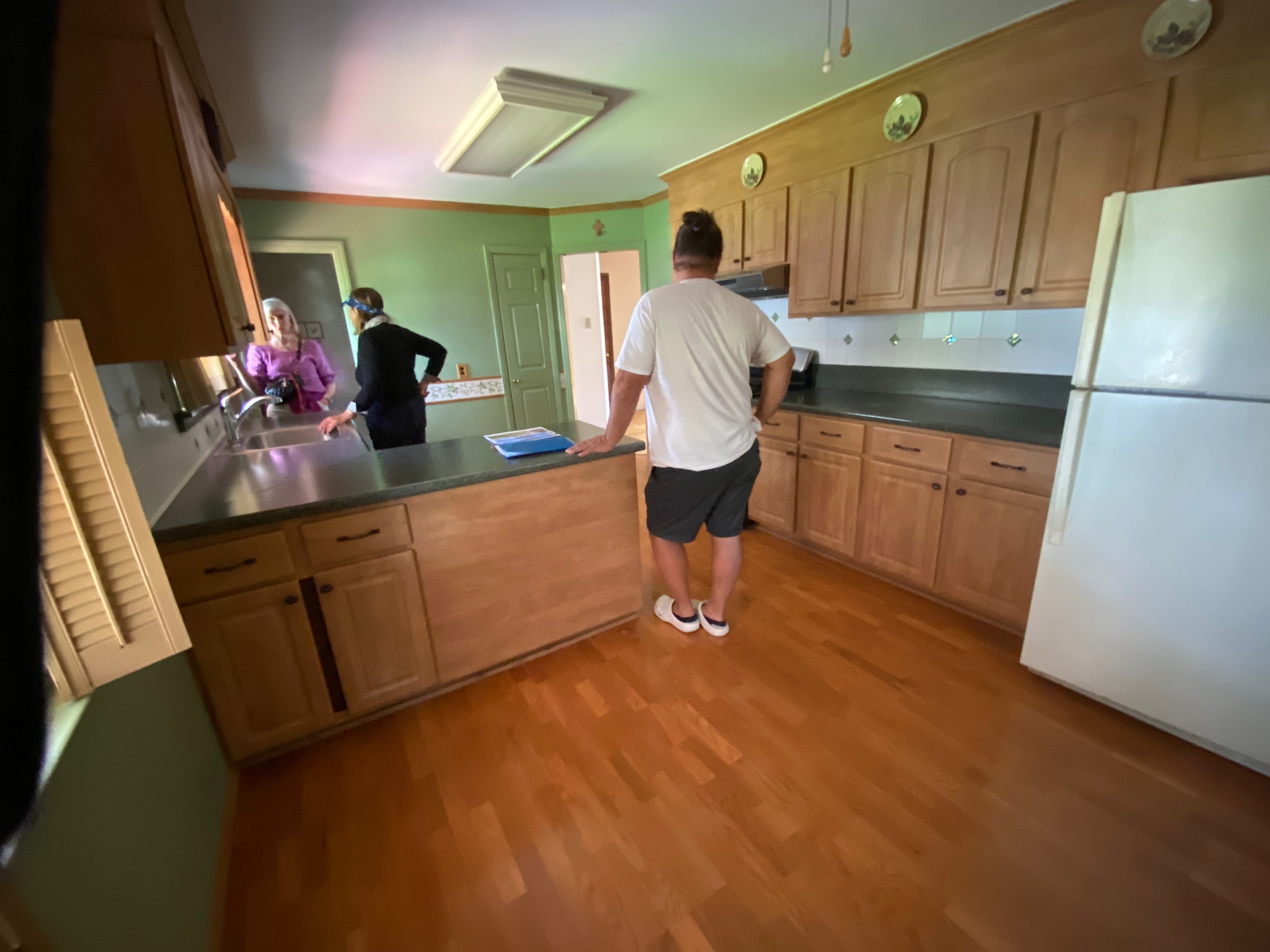
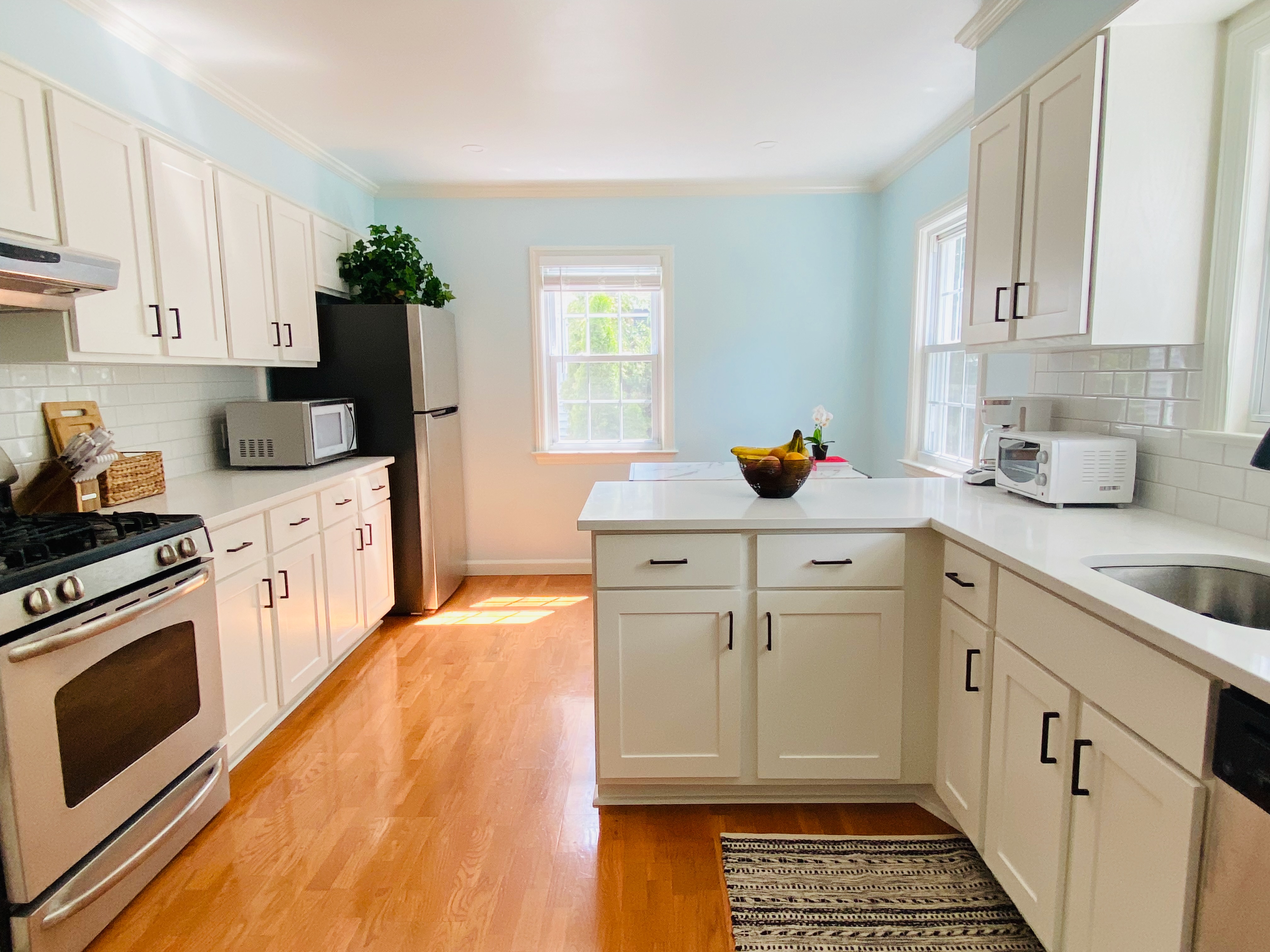
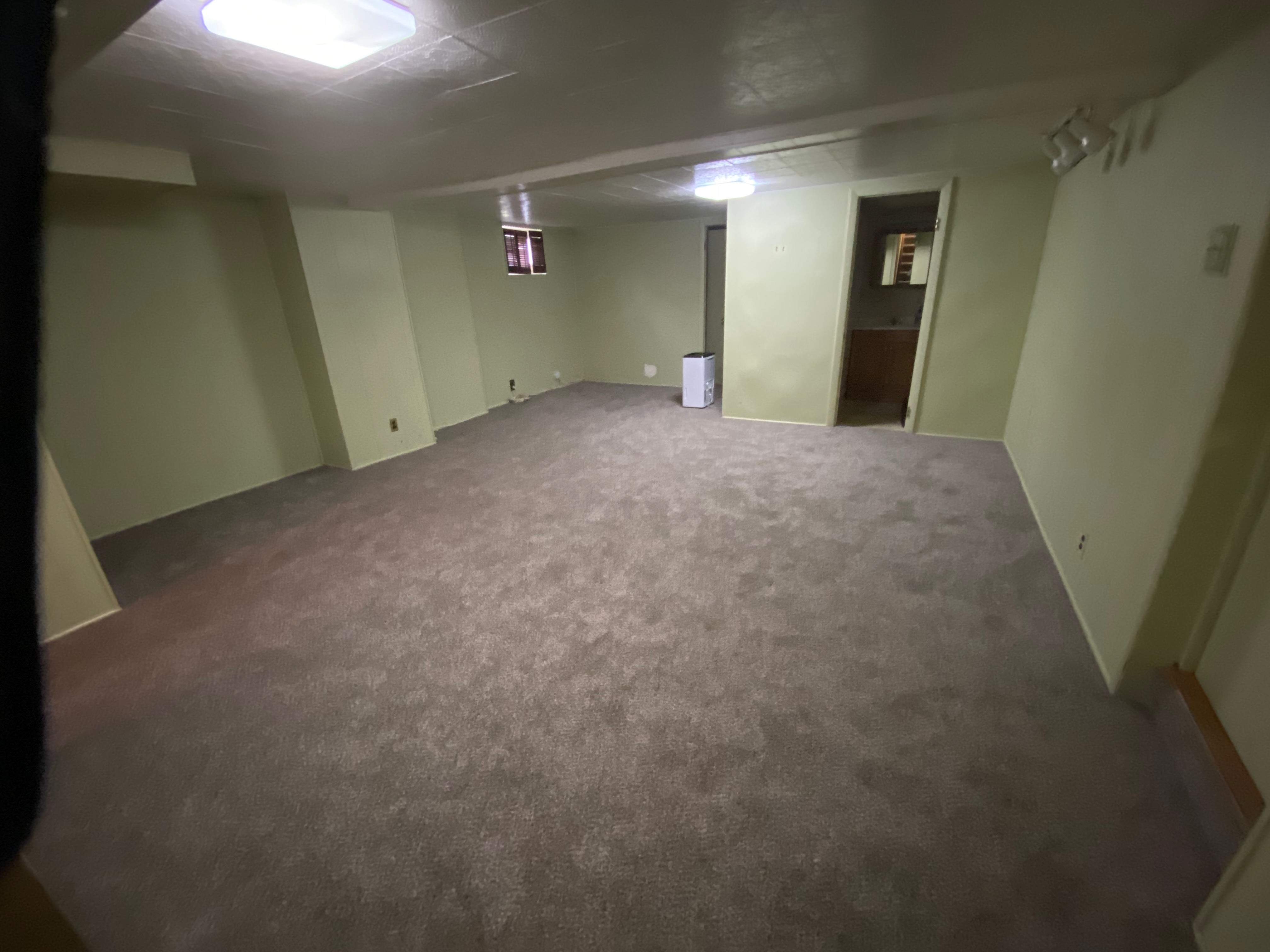
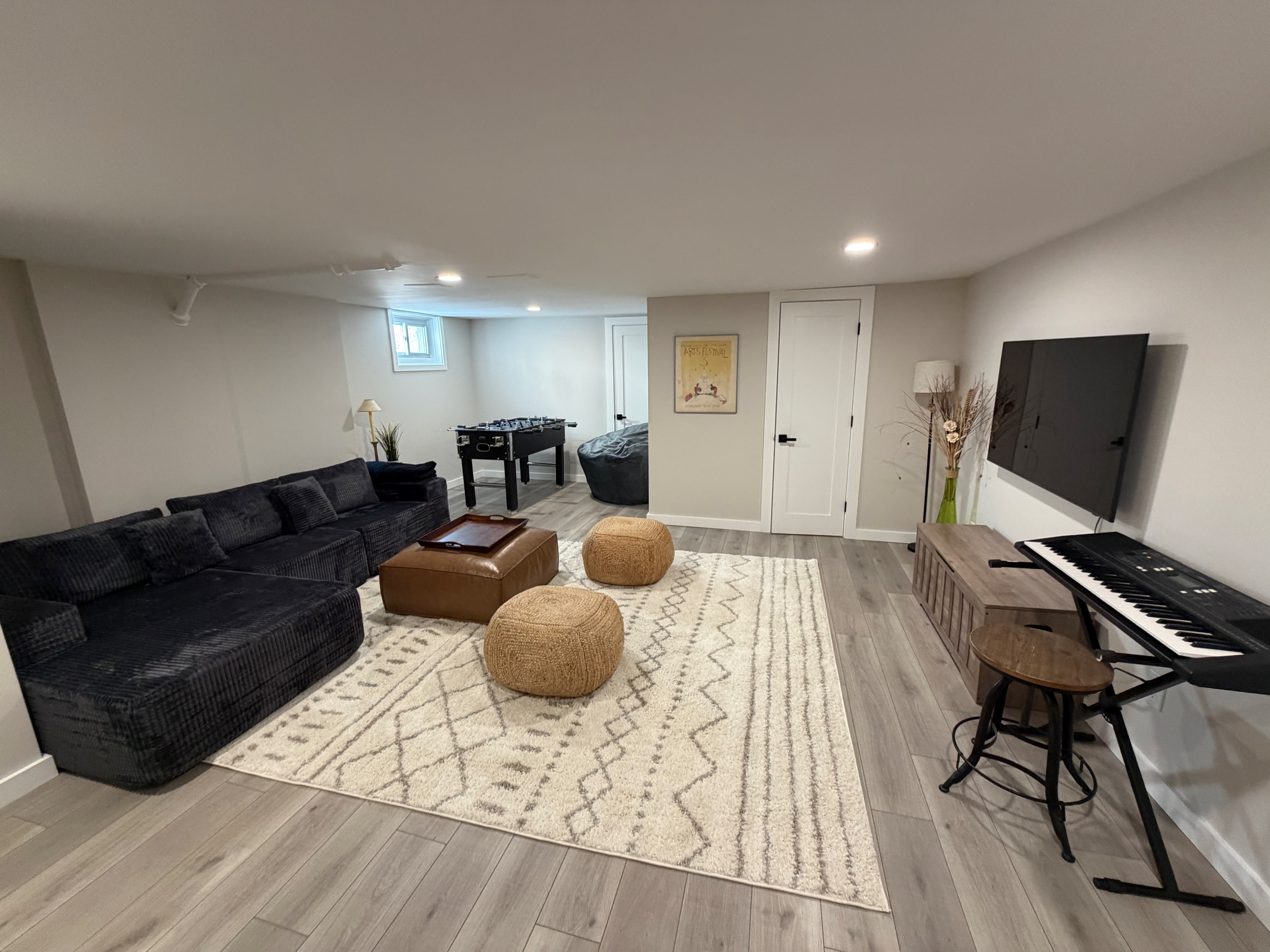
Before & After: Port Chester, New York

The Port Chester house is one of our clearest examples of value-add renovation in action. When we acquired it, both the kitchen and basement were functionally dated — usable but uninspiring, and well below the standard needed to compete as a short-term rental. Within two months, both spaces were transformed.

Port Chester Kitchen Before
Before · Kitchen
Port Chester Kitchen After
After · Kitchen
Port Chester Basement Before
Before · Basement
Port Chester Basement After
After · Basement Game Room

The Flagship Project: Old Greenwich Two-Family

Development Project — In Progress
A Colonial Two-Family in the Heart of Old Greenwich

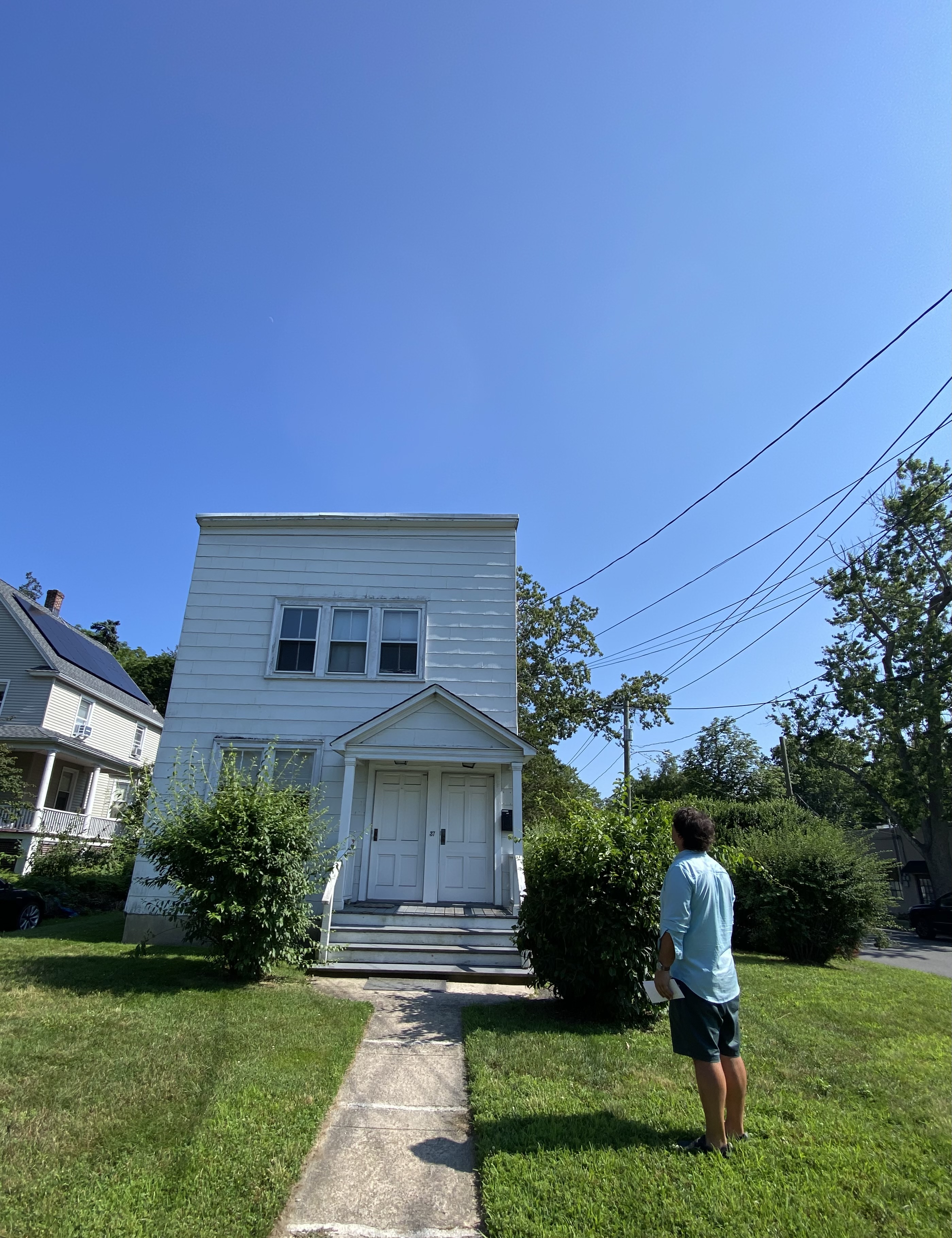
Old Greenwich is a distinct, highly desirable community within Greenwich, Connecticut — affluent, walkable, and close to town center. On a prominent corner lot in this neighborhood sits a property that has been part of our portfolio while we worked toward something larger.

After successfully obtaining town approval to build a multifamily on land zoned single-family — a significant achievement in one of Connecticut's most regulated markets — we are now moving forward with the project that represents the full expression of our value-add philosophy.

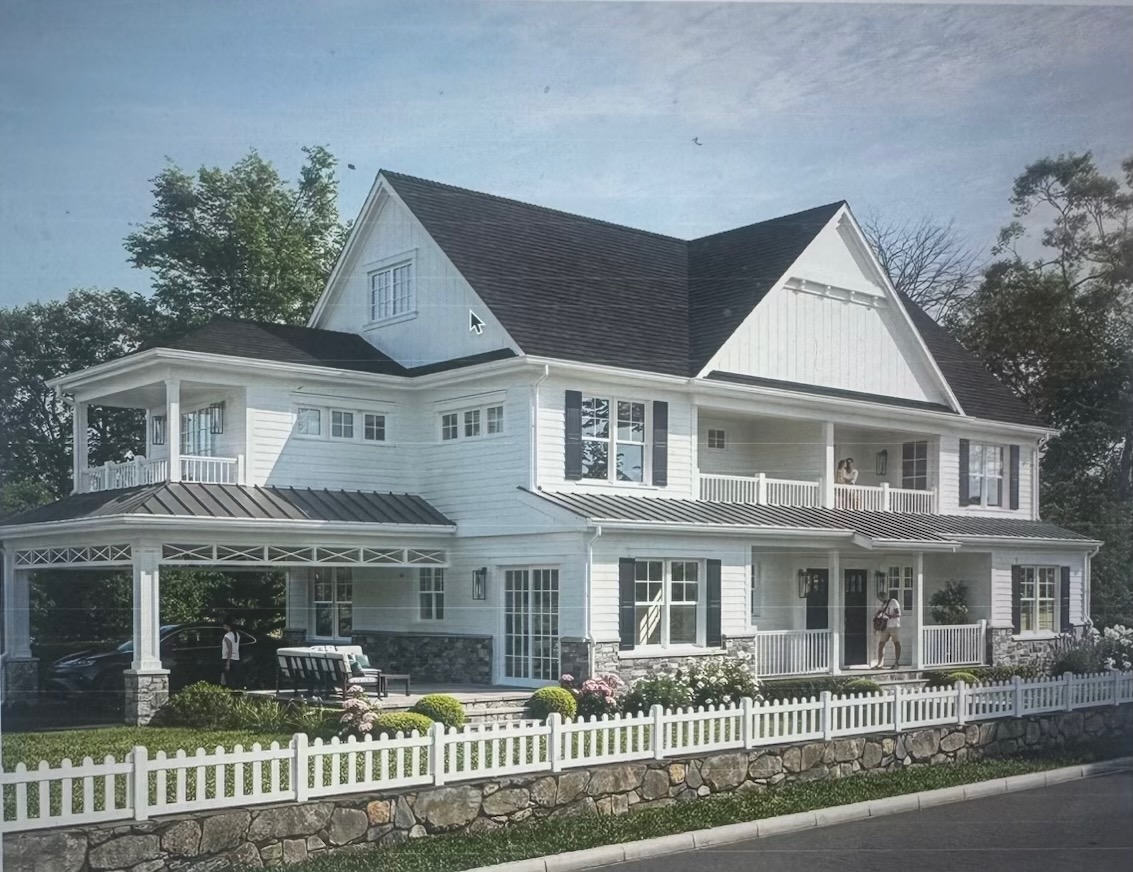
The vision: Tear down the existing aging structure and build a beautiful colonial two-family residential building — architecturally appropriate for the neighborhood, designed to uplift the corner it sits on, and built to perform as both a rental asset and a long-term appreciating investment.

Why it matters to the neighborhood: The existing structure is visually out of place in an affluent area near town center. The new building will be a genuine improvement to the streetscape — the kind of development that raises values around it, not just within it.

Timeline: Approximately 12 months, with potential to extend to 24 months depending on build complexity. Each unit will be positioned for either rental income or sale, with flexibility built into the exit strategy.

The strategy: Buy, hold, renovate, perform, appreciate — and exit on our terms. This project is the clearest expression of how we think about real estate: not as a transaction, but as a long-term value creation opportunity.

What this means for investors and partners:

The Old Greenwich project represents the next stage of Goodwin Developments — moving from property management and optimization into ground-up value creation. If you are an investor, lender, or partner interested in participating in projects like this, we'd welcome a conversation.

Work With Us

How We Can Help

You can build this yourself — or you can work with a team that has already built it.

Some owners read a playbook like this and go build it themselves. That's a legitimate path. But there is another option: capturing the returns of a professionally managed short-term rental without the operational weight of running it yourself.

Done-For-You Setup

We take your property from concept to fully operational — interior setup, platform listings, photography direction, pricing strategy, and all systems installed. You hand us the keys. We build the business.

Best for: New investors, second-home owners, and anyone who wants a turnkey launch without the learning curve.

Co-Hosting & Ongoing Management

We handle every aspect of day-to-day operations: guest communication, booking management, cleaning coordination, maintenance, pricing optimization, and monthly reporting. You stay informed without being involved.

Best for: Property owners who want professional management and consistent income without giving up ownership.

Strategy & Consulting

For investors who want expert guidance without full management. We review your property, market, pricing, and operations — then give you a specific, actionable plan to improve performance.

Best for: Existing hosts looking to improve revenue, owners evaluating new markets, and investors comparing STR to long-term rental returns.

Goodwin Developments

Let's Talk About
Your Property

Schedule a free consultation. We'll review your property, share what we've seen work in your market, and help you figure out the right path forward — with no pressure and no obligation.

Website
goodwindevelopmentsllc.com
Phone
(203) 536-3764
Email
info@goodwindevelopmentsllc.com
Office
3 Woodland Drive, Greenwich CT
New York · Greenwich, CT · Manila, Philippines
A Final Thought
"There is no perfect strategy. There is only the strategy that fits your property, your market, and your goals."

Goodwin Developments  ·  The Furnished Nest

© 2024 Goodwin Developments LLC  ·  goodwindevelopmentsllc.com  ·  Greenwich, CT 06830